How to Personalize Customer Gifts Without Breaking the Budget
Personalized gifts sound like a great idea—until you calculate the cost.
If you have 20 customers, printing each person's name on a gift may be manageable. But what happens when you have 200, 500, or 2,000 customers?
The cost of individual personalization can quickly eat into your gifting budget. You may also face additional problems with sorting, packaging, inventory management, and making sure the right personalized gift reaches the right customer.
So, does meaningful personalization require putting every customer's name on a gift?
Not necessarily.
There is another approach: personalize the meaning, not necessarily the name.
This can enable businesses to create thoughtful customer appreciation gifts that drive long-term brand recall without turning customer gifting into an expensive logistical exercise.
What Does Personalization Really Mean?
Personalization is often associated with names.
"John, thank you for your business."
"Sarah, we appreciate you."
But personalization can go much deeper than that.
A gift can feel personal because it speaks to the recipient's aspirations, values, profession, or relationship with your business.
For example:
"Keep Building Something Great."
"Excellence Is a Journey."
"Your Vision Matters."
"Success Starts With Purpose."
These messages don't identify an individual customer, yet they can feel far more meaningful than a generic company logo.
This is where Inspirational Corporate Gifts become particularly useful.
Personalize the Message Instead of the Name on Customer Gifts
Suppose you have 1,000 customers.
Creating 1,000 individually named notebooks means producing, checking, sorting, and distributing 1,000 different versions.
But imagine producing 1,000 notebooks carrying one carefully chosen message:
"Great Things Begin With Great Ideas."
The production process becomes considerably simpler.
More importantly, the customer receives something that can be useful and inspiring.
The same principle works with desk calendars, wall calendars, T-shirts, caps, wall art, and other practical gifts.
Instead of asking:
"How can we put every customer's name on this?"
Ask:
"What message would make our customers want to keep this?"
That shift can make personalization much more affordable.
Why Generic Logos Aren't Enough
A large company logo doesn't automatically make a gift personal.
In fact, if the product appears as an advertisement, customers may be less inclined to use it.
Consider the difference between:
A plain T-shirt with a large company logo
and
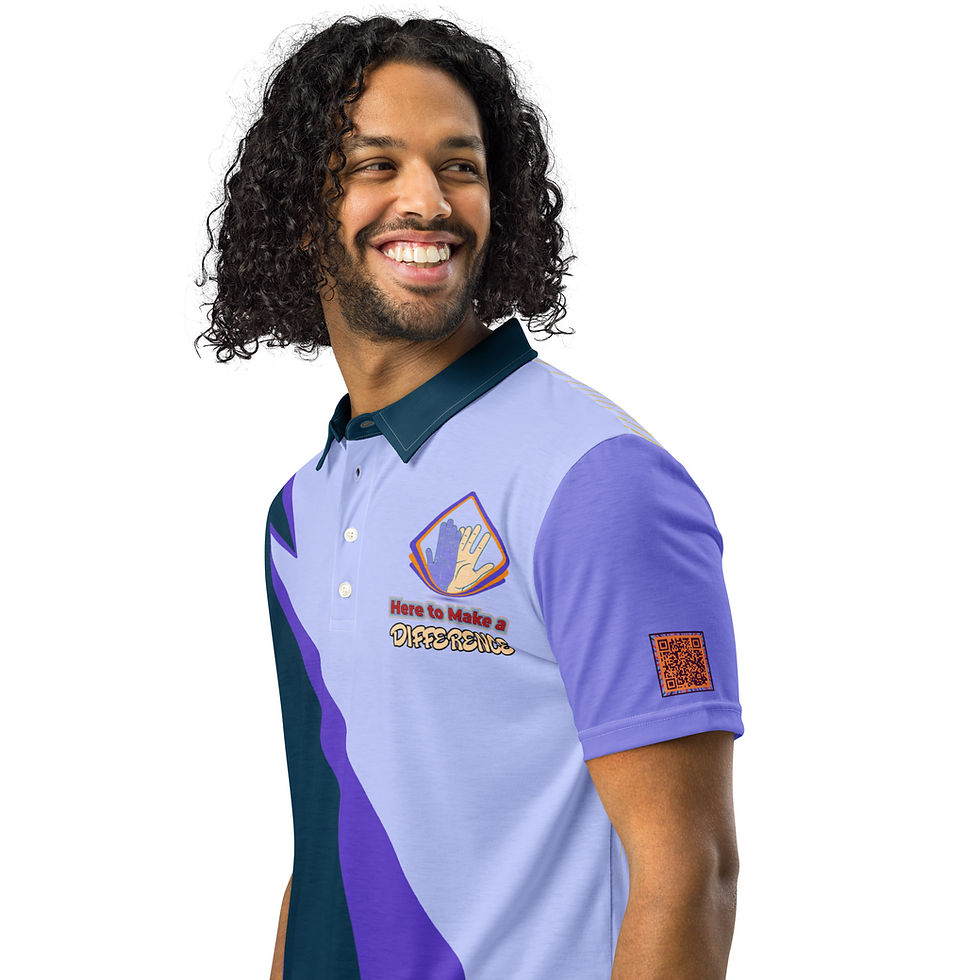
A stylish T-shirt carrying an inspiring message with subtle company branding.
The second may have greater perceived value because the customer can enjoy the message or design independently of the brand.
This matters when you're looking for the best corporate gifts for customer appreciation.
The objective isn't simply to put your logo in front of customers.
The objective is to give them something they actually want to keep.
Choose Gifts That Naturally Create Daily Brand Visibility
One of the biggest advantages of practical gifts is that they can create daily brand visibility without advertising.
Consider a desk calendar.
The customer doesn't have to consciously think about your company.
The calendar is simply sitting on the desk.
They check the date.
They see the inspirational message.
They continue working.
Your brand remains part of the environment.
The same principle applies to:
Journals
Notebooks
Wall calendars
Inspirational wall art
T-shirts
Caps
The gift becomes an Everyday Brand Reminder.
And unlike an online advertisement, the customer isn't being interrupted.
The brand is simply present.
Use Different Messages for Different Customer Segments
You can also create personalization without creating hundreds of individual products.
Instead of personalizing every customer, segment your customers.
For example, a financial services company might create messages around:
Growth
"Build Today. Prosper Tomorrow."
Leadership
"Lead With Vision."
Entrepreneurship
"Turn Ideas Into Impact."
Excellence
"Excellence Is a Daily Choice."
A customer can receive the message most appropriate for their segment.
You have created relevance without the expense of individual name personalization.
This is particularly useful for companies with large customer databases.

Let the Occasion Create the Personalization
Another affordable approach is to personalize according to the occasion.
For example:
New Customer
"Welcome to a New Beginning."
Customer Anniversary
"Thank You for Growing With Us."
Long-Term Customer
"Built on Trust. Strengthened by Time."
Referral Appreciation
"Thank You for Sharing Our Story."
End-of-Year Appreciation
"Thank You for Being Part of Our Journey."
The customer receives a message that feels connected to their relationship with the business.
Yet you don't need a unique product for every person.
Make the Product Useful
The best personalization strategy won't rescue a useless gift.
If customers don't have a reason to use the product, they may still throw it away.
That's why the product itself matters.
A journal can be used.
A desk calendar can be consulted.
A wall calendar can remain visible.
Wall art can be displayed.
A T-shirt can be worn.
A cap can be worn repeatedly.
The more useful the product, the more opportunities it has to remain in the customer's environment.
That's why personalization should be combined with utility.
The 365-Day Customer Retention Principle
Customer gifting shouldn't be viewed only as a one-day appreciation exercise.
Think about what happens after the gift is delivered.
A customer opens the package.
They appreciate the gesture.
Then what?
If the gift disappears into a drawer, the marketing value largely ends there.
But if it becomes part of their everyday life, the relationship continues to receive reinforcement.
This is the idea behind 365-Day Customer Retention.
A useful gift can create repeated opportunities for the customer to encounter your brand throughout the year.
It doesn't guarantee that someone will buy from you again.
But it can help your business remain familiar and easier to recall when a future need arises.
Personalization Through Design
You can also create a feeling of personalization through visual design.
Instead of printing a name, consider:
A sophisticated colour palette
An inspirational illustration
A meaningful quotation
A message relevant to the recipient
A premium typography style
Subtle company branding
For 2026, businesses may also draw inspiration from the year's design trends, including softer, cleaner aesthetics.
The important thing is not to chase trends blindly.
Choose a visual style that makes the gift look like something the customer would genuinely want in their home or office.
Personalization Should Increase Value—Not Cost
This is perhaps the most important principle.
If personalization adds $5 to the cost of a $10 gift, ask yourself whether the additional $5 creates enough value.
Sometimes it will.
Often, it won't.
If you can create the same emotional effect with a thoughtful message, better design, or a more useful product, that may be a smarter investment.
The goal isn't to maximize personalization.
The goal is to maximize perceived value and memorability.
Turn Customer Gifts Into Memory Anchors
A well-designed customer gift can become more than a souvenir.
It can become a Memory Anchor.
A Memory Anchor is something physical that repeatedly reminds the customer of a relationship, experience, value, or brand.
The customer
Sees it.
Uses it.
Touches it.
Wears it.
And each interaction creates another opportunity for recall.
That's much more powerful than giving something that is used once and forgotten.
The Best Customer Gifts Don't Need Names
There's nothing wrong with putting a customer's name on a gift when the situation justifies the cost.
For VIP customers, major accounts, or special milestones, individual personalization may be completely appropriate.
But for large-scale customer appreciation campaigns, it isn't always necessary.
You can create personalization through:
Meaningful messages.
Relevant themes.
Customer segmentation.
Occasion-based gifting.
Useful products.
Thoughtful design.
This allows businesses to maintain a personal feeling without creating an expensive production and logistics problem.
Final Thoughts
The best customer appreciation gifts for long-term brand recall don't have to carry every customer's name.
They need to carry meaning.
Choose products customers will actually use.
Choose messages that reflect something they value.
Choose designs that make the gift desirable.
And use subtle branding that connects the positive experience back to your business.
When you do this well, your gifts can create daily brand visibility without advertising.
Your Inspirational Corporate Gifts become useful objects rather than disposable promotional merchandise.
And with the right strategy, a simple calendar, journal, wall art, T-shirt, or cap can become part of your 365-Day Customer Retention strategy.
So before you spend more money printing individual names, ask yourself one question:
"Can I make this gift feel personal without making every gift different?"
Very often, the answer is yes.
And that could save your business money while making your customer gifts even more meaningful.


Comments