What Should I Write on a Customer Gift Card?
Giving a customer a gift card is easy.
Knowing what to write on the gift card is where the real opportunity begins.
A gift card may have a monetary value, but the message attached to it gives the gift emotional meaning.
Compare these two messages:
"Thank you for your business."
and:
"Your continued trust means a lot to us. Thank you for allowing us to be part of your journey."
Both express appreciation.
But the second feels more personal, intentional, and memorable.
That's because a customer gift isn't only about what you're giving.
It's also about what you want the customer to feel when they receive it.
And if your larger goal is how to stay top of mind with customers, the message deserves just as much attention as the gift itself.
Start With Appreciation, Not Promotion
One of the biggest mistakes businesses make with customer gifts is turning the message into another sales pitch.
A customer receives a gift card and sees:
"Thank you! Use your next purchase to get 10% off."
That's not necessarily wrong.
But it changes the emotional meaning of the gift.
Instead of feeling appreciated, the customer may feel like they're being encouraged to buy again.
The primary message should therefore be about appreciation.
Your promotional offer, if appropriate, can come separately.
A customer gift should first communicate:
"We value you."
What Should a Customer Gift Card Say?
The best message depends on the reason you're giving the gift.
Here are several approaches.
1. A Simple Thank-You
For general customer appreciation:
Thank you for choosing us and for trusting our business. We truly appreciate your continued support.
Simple.
Professional.
Sincere.
2. A Loyalty Message
For a long-standing customer:
Thank you for being with us throughout the years. Your loyalty means more to us than you know.
This recognizes the relationship rather than merely acknowledging a transaction.
3. A Milestone Message
For celebrating an important customer milestone:
Celebrating this milestone with you is our pleasure. Thank you for allowing us to be part of your journey.
This works particularly well when the customer has reached an anniversary, major purchase milestone, or other meaningful achievement.
4. A Partnership Message
For B2B customers and clients:
Strong businesses are built on strong relationships. Thank you for your trust and partnership.
This positions the relationship as a partnership rather than a simple buyer-seller transaction.
5. A Future-Focused Message
For customers you want to encourage to continue growing with your business:
Thank you for your trust. We look forward to creating even greater value together in the years ahead.
This subtly connects appreciation with the future relationship.

Make the Message About Them
A powerful customer appreciation message should answer one question:
"Why does this customer matter to us?"
Avoid generic language that could have been printed on a thousand cards.
Instead of:
"Thank you for your patronage."
Consider:
"We appreciate the trust you've placed in us and the opportunity to serve you."
Instead of:
"Thank you for your continued business."
Consider:
"Your continued support has helped our business grow, and we're genuinely grateful to have you with us."
The difference isn't the number of words.
It's the specificity and sincerity behind them.
Should You Put Your Logo on the Gift Card?
Yes—but be intentional.
Branding has a legitimate role in customer gifting.
The problem occurs when branding overwhelms appreciation.
A customer should immediately understand:
Who gave me this?
But they should also feel:
Why did they give it to me?
Your logo identifies the giver.
Your message creates the emotional connection.
That's why thoughtful customer gifting combines branding with meaning, rather than turning the entire gift into an advertisement.
What About Inspirational Messages?
This is where the idea of inspirational branded gifts for businesses becomes especially powerful.
A gift card itself has a limited lifespan.
Once the value is spent, the card usually disappears.
But inspirational messages can be incorporated into physical branded gifts that continue providing value.
Imagine a customer receiving:
A premium desk calendar with an inspiring message.
An elegant wall calendar.
Inspirational wall art.
A quality branded journal.
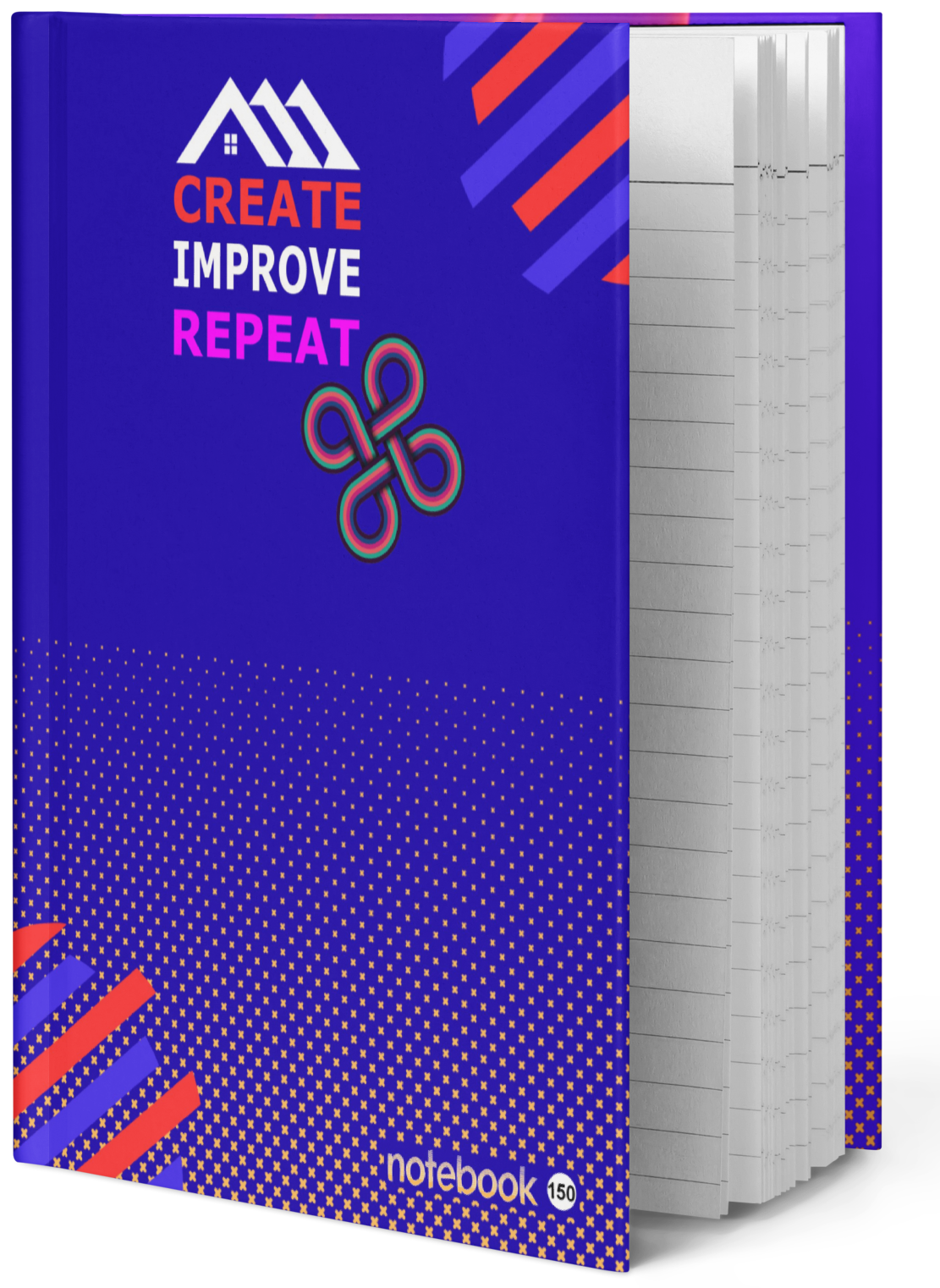
A premium notebook.
A comfortable T-shirt with a meaningful inscription.
The message isn't simply saying:
"Remember our company."
It's giving the customer something worth remembering.
That distinction is important.
From Gift Message to Everyday Brand Reminder
A thoughtful message on a gift card can create a memorable moment.
But a useful branded product can extend that experience.
That's the thinking behind Everyday Brand Reminders.
An Everyday Brand Reminder is a useful or meaningful branded item that remains visible or useful within the customer's normal routine.
For example:
A customer sees your calendar every morning.
They use your notebook during a meeting.
They wear your T-shirt on the weekend.
They see your wall art during a busy workday.
Each interaction creates another opportunity for positive brand recall.
The product doesn't need to scream your company name.
It simply needs to be valuable enough that the customer wants to keep it.
Corporate Gifts That Customers Keep and Use
This is why the message on a gift should be considered together with the product itself.
The best corporate gifts that customers keep and use generally provide something beyond the branding.
They provide:
Usefulness.
Quality.
Meaning.
Beauty.
Inspiration.
When these elements come together, the customer doesn't keep the gift because they feel obligated to.
They keep it because they genuinely like it.
And that's when the gift can continue working for your brand.
Don't Make the Message Too Long
A customer gift card isn't a letter.
Keep the message short enough to read immediately.
A useful structure is:
Appreciation + Relationship + Goodwill
For example:
Thank you for your continued trust and support. We truly value our relationship with you and look forward to serving you for many years to come.
That's enough.
You don't need three paragraphs to communicate genuine appreciation.
Avoid These Common Mistakes
When writing a customer gift card message, avoid:
Making it too promotional
Don't turn appreciation into an advertisement.
Using corporate clichés
Phrases like "valued patronage" can sound distant when overused.
Making it entirely about your company
The customer should feel recognized, not marketed to.
Overpersonalizing unnecessarily
Adding a customer's name can help in some situations, but personalization isn't limited to names.
A relevant message can feel personal without being overly familiar.
Forgetting the occasion
A loyalty gift should sound different from a holiday gift, milestone gift, referral reward, or apology gift.
The message should fit the reason you're giving the gift.
Five Questions Before You Print
Before finalizing your customer gift card message, ask:
1. Does it sound sincere?
Would a real person naturally say this?
2. Does it recognize the customer?
Does the customer feel seen and appreciated?
3. Does it fit the occasion?
Does the message make sense for why you're giving the gift?
4. Does it strengthen the relationship?
Does it communicate something positive about your ongoing relationship?
5. Will the customer remember the feeling?
That's the ultimate test.
The Message Is Only Part of the Strategy
A great message can make a gift card more meaningful.
But businesses looking for long-term brand recall should think beyond the card.
Ask:
What happens after the customer spends the gift card?
If the answer is "nothing," you've created a valuable but temporary experience.
If instead, the customer receives a useful branded product that remains part of their daily life, the relationship can continue receiving reminders.
That's the strategic difference between a memorable gifting moment and ongoing brand visibility.
How to Stay Top of Mind With Customers
So, how to stay top of mind with customers without constantly advertising to them?
One answer is to create positive experiences they naturally encounter again and again.
A useful branded calendar.
A meaningful piece of wall art.
An inspirational T-shirt.
A quality journal.
A practical notebook.
These products can become Everyday Brand Reminders because they remain present in the customer's environment.
The goal isn't to force your brand into their attention.
It's to earn a place in their routine.
Your Gift Should Say More Than "Thank You"
The best customer gifting strategy doesn't stop at:
"What should I give?"
It asks:
"What should this gift communicate?"
A gift card might communicate flexibility.
A premium product might communicate quality.
An inspirational message might communicate encouragement.
A thoughtful presentation might communicate respect.
And subtle branding can communicate who made the gesture.
When these elements work together, your customer doesn't simply receive a gift.
They experience appreciation.
That's the real purpose of customer gifting.
Final Thought on Writing a Customer Gift Card
If you're giving a customer a gift card, don't underestimate the message attached to it.
A few thoughtful words can transform a simple financial benefit into a meaningful expression of appreciation.
But if your goal extends beyond the immediate gifting occasion—if you want customers to remember your business throughout the year—consider going one step further.
Give them something they genuinely want to keep.
Give them something useful.
Give them something meaningful.
Give them something inspiring.
That's how inspirational branded gifts for businesses can become corporate gifts that customers keep and use.
And when those gifts become part of everyday life, they can serve as Everyday Brand Reminders, helping your business remain visible, relevant, and positively remembered.
Don't just write "Thank you" on the gift. Give your customer a reason to remember why they should continue doing business with you.


Comments