How to Give Company Gifts Without Seeming Cheap
Corporate gifting can be one of the simplest ways to show customers and employees that you value them.
But there's a fine line between thoughtful and cheap.
And surprisingly, that line isn't always determined by the price of the gift.
A $20 gift that is carefully selected, beautifully presented, and connected to a meaningful message can create a stronger impression than a $100 gift that feels generic.
The problem isn't necessarily that businesses spend too little.
It's that they often give too little thought to what they give.
So, how can you give company gifts without making recipients feel like you've simply purchased the cheapest promotional item available?
Let's look at what makes the difference.
1. Don't Make the Price the Message
One of the biggest mistakes businesses make is assuming that a more expensive gift automatically feels more valuable.
It doesn't.
Imagine receiving two gifts.
The first is an expensive item covered with a huge company logo.
The second is a modest, beautifully designed notebook with a thoughtful message and a small company logo.
Which one would you actually want to keep?
The second may create a stronger impression because it communicates:
"We chose this with you in mind."
Rather than:
"We bought these in bulk."
The perceived value of a gift comes from more than its monetary value.
It comes from relevance, usefulness, presentation, quality, and meaning.
2. Choose Something People Actually Want
If you want to create corporate gifts that customers keep and use, start with usefulness.
Before ordering hundreds of items, ask:
"Would our customers use this in their everyday lives?"
Some possibilities include:
Quality notebooks
Reusable mugs
Tumblers
Desk calendars
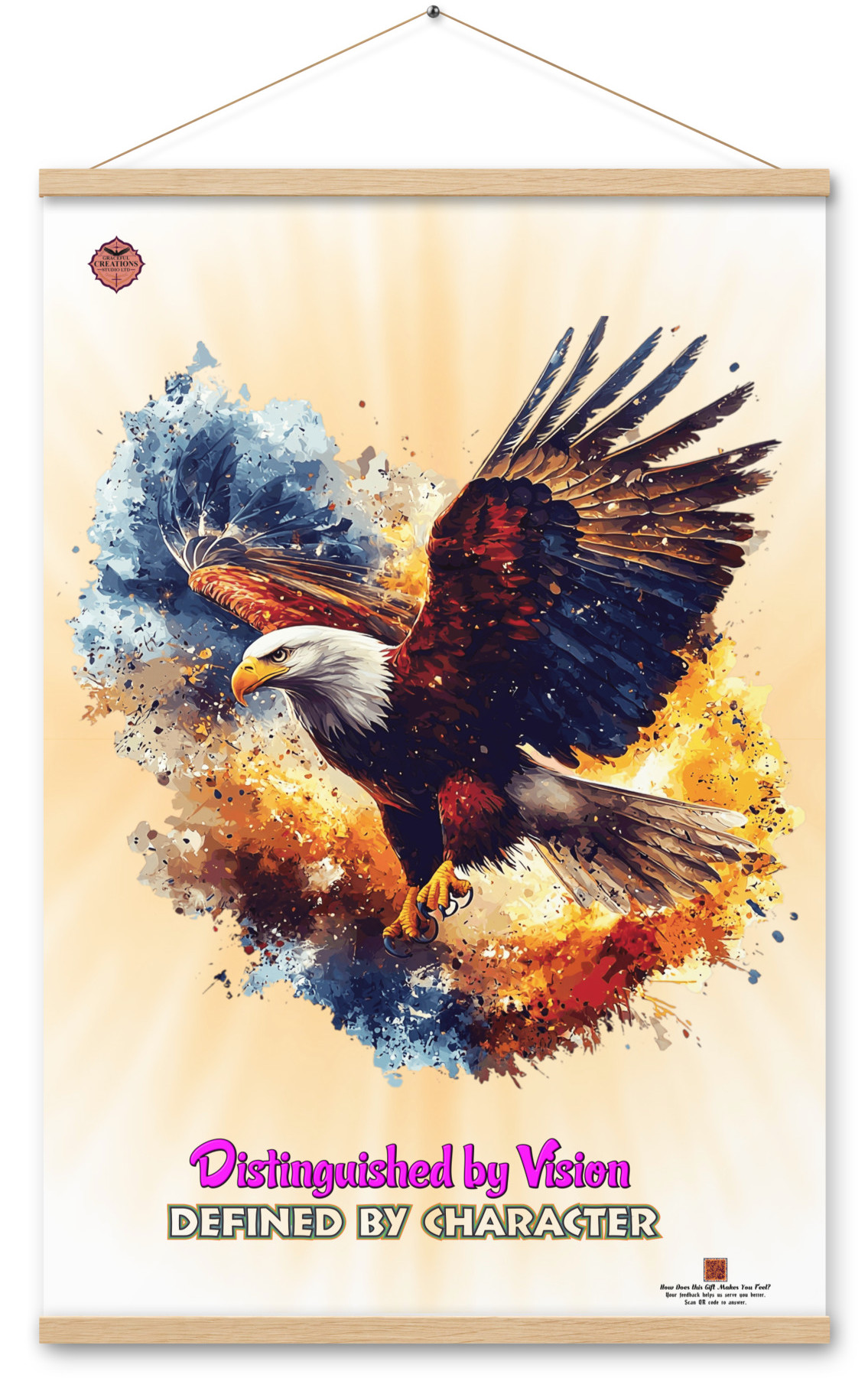
Inspirational wall art
Tote bags
Useful desk accessories
The specific product matters less than whether it fits naturally into the recipient's life.
A useful gift has a reason to stay.
And something that stays has more opportunities to remind the recipient of your business.
3. Apply the "Logo Test"
Here's a simple test:
Would the recipient still want this if our logo weren't on it?
If the answer is no, reconsider the gift.
Your logo should identify the giver—not be the reason the recipient wants the product.
For example, a plain mug with a huge logo may look like advertising.
A beautifully designed mug carrying:
"Excellence Is a Daily Choice"
with a subtle company logo can feel completely different.
The recipient may want the mug because they like the message and design.
Your brand benefits because it is associated with something positive.
That's the thinking behind inspirational branded gifts for businesses.
4. Give the Gift a Meaningful Message
A thoughtful message can dramatically increase the perceived value of a modest gift.
Compare:
"THANK YOU — ABC COMPANY"
with:
"Built on Trust. Strengthened by Partnership."
The second message says something about the relationship.
Other possibilities include:
"Thank You for Growing With Us."
"Your Trust Means Everything."
"Together, We Keep Moving Forward."
"Ideas Worth Building."
"Success Is Built One Step at a Time."
These messages turn ordinary merchandise into something more meaningful.
The product becomes a carrier of an idea.

5. Presentation Matters More Than You Think
A cheap-looking presentation can make an otherwise good gift feel cheap.
You don't necessarily need expensive packaging.
You need intentional packaging.
Consider:
A quality gift box
A tasteful card
Clean presentation
Appropriate wrapping
A short personal message
Consistent branding
The recipient should feel that someone actually thought about the experience.
Remember:
The gift begins before the box is opened.
6. Personalization Doesn't Mean Printing Their Name
Many businesses assume personalization means adding:
"John, thank you!"
to the product.
That can work.
But personalization doesn't have to mean putting the recipient's name on everything.
A gift can feel personal because of:
The message
The occasion
The relationship
The recipient's interests
The timing
The way it is presented
The reason it was selected
For example, a message recognizing a five-year partnership may feel far more personal than simply printing someone's name on a generic mug.
Context can personalize a gift without making it intrusive.
7. Don't Turn Appreciation Into Advertising
There's nothing wrong with branding a corporate gift.
But there's a difference between branding and advertising.
If every inch of the product is covered with your logo, the recipient may feel as though they've been handed an advertisement.
Instead, consider:
Meaningful message + attractive design + subtle branding.
This approach makes the product something the recipient can appreciate independently of your company.
Your brand becomes part of the experience rather than dominating it.
8. Think About How Long the Gift Will Stay Visible
Here's where corporate gifting becomes more strategic.
Suppose you give a customer a box of chocolates.
They open it.
They enjoy it.
A few days later, it's gone.
That's not necessarily bad.
The gift created a pleasant moment.
But now compare that with a quality notebook that the customer uses for six months.
Every time they open it, your brand may be present.
This is the thinking behind a 365 brand recall strategy for customer retention.
The goal isn't to bombard customers with advertising.
It's to create useful physical touchpoints that remain in their environment.
9. Create Meaningful Branded Assets
This leads to an important distinction.
A promotional product is designed primarily to promote.
A Meaningful Branded Asset is designed to provide value while reinforcing the brand.
The difference is subtle but important.
A cheap pen that nobody wants to use is a promotional product.
A beautifully designed journal with an inspirational message that someone uses every day can become a Meaningful Branded Asset.
The latter has a longer life.
It has utility.
It carries meaning.
And it can become associated with the relationship.

10. Choose Gifts Based on the Recipient
Don't give everyone the exact same thing simply because it's convenient.
Think about the recipient.
A corporate executive may appreciate a premium desk accessory.
A remote employee may appreciate something useful for their home workspace.
A long-term client may appreciate a gift that recognizes the history of your partnership.
A new customer may appreciate a thoughtful welcome gift.
A sales prospect may appreciate something useful without feeling pressured.
The more relevant the gift is, the less likely it is to feel cheap.
11. Quality Beats Quantity
Would you rather give 100 customers an impressive-looking but low-quality product?
Or
... give 50 customers something they genuinely appreciate?
If the objective is relationship building, quality often matters more than quantity.
This doesn't mean you should ignore smaller customers.
It means your gifting strategy should consider different levels of appreciation.
For example:
General Appreciation
— A useful, affordable branded gift.
Loyal Customers
— A higher-quality gift or gift set.
Strategic Clients
— A premium, carefully selected gift.
This allows you to manage your budget without making your entire gifting program feel cheap.
12. Don't Assume Expensive Means Thoughtful
A $150 gift chosen without considering the recipient can feel less thoughtful than a $25 gift selected specifically because it is useful.
The question shouldn't be:
"How much did we spend?"
It should be:
"How much thought went into this?"
That's the difference between price and perceived value.
13. Make the Gift About the Relationship
Your customer isn't just a revenue figure.
They're part of your business story.
So instead of focusing entirely on what they've purchased, consider what the relationship represents.
For example:
"Thank you for trusting us."
"We appreciate the journey we've shared."
"Built on Trust. Strengthened by Partnership."
These messages communicate something deeper than:
"Thanks for buying."
And that emotional distinction can matter enormously.
14. Don't Expect the Gift to Do All the Work
A corporate gift isn't a replacement for good customer service.
It won't fix:
Poor communication
Late deliveries
Bad products
Unresolved complaints
Broken promises
Poor customer support
The gift should reinforce an already positive relationship.
Think of it as a relationship enhancer, not a relationship substitute.
When the customer already trusts your business, a thoughtful gift can deepen that positive association.
15. Ask What You Want the Customer to Remember
Before choosing a gift, ask:
"What do we want the customer to remember about us?"
— Reliable?
— Innovative?
— Trustworthy?
— Appreciative?
— Inspirational?
— Customer-focused?
Then select a product and message that reinforce that idea.
For example, if trust is central to your brand:
— "Built on Trust. Strengthened by Partnership."
If growth is important:
— "Thank You for Growing With Us."
If excellence is part of your culture:
—"Excellence Is a Daily Choice."
Now the gift isn't just carrying your logo.
It's carrying your brand story.
The Best Corporate Gifts Don't Look Cheap—Even When They're Affordable
Ultimately, you don't need a huge budget to create a thoughtful company gift.
You need:
— A useful product.
— Good design.
— Quality presentation.
— A meaningful message.
— Appropriate branding.
— A genuine reason for giving it.
Put those elements together, and even an affordable gift can feel valuable.
That's what makes some of the best corporate gifts for customer appreciation so effective.
They aren't necessarily the gifts with the highest price tags.
They're the gifts that make people say:
"They actually thought about this."
Final Thoughts on Company Gifts Without Seeming Cheap
Giving company gifts without seeming cheap isn't primarily about spending more money.
It's about creating more meaning.
Choose something people actually want to keep.
Make the design attractive.
Use branding thoughtfully.
Add a message that communicates something meaningful.
Present it well.
And most importantly, give the recipient a reason to value the gift beyond your logo.
When a customer keeps using that gift, you've created more than a promotional item.
You've created a Meaningful Branded Asset.
And when that asset remains visible throughout the year, it can become part of a 365 brand recall strategy for customer retention.
The ultimate goal is simple:
Don't give customers something they'll tolerate because it has your logo on it.
Give them something they'll appreciate—and keep using—because it has value.


Comments