How to Choose Gifts for a Diverse Workforce
A diverse workforce brings together people with different ages, cultures, backgrounds, personalities, interests, roles, and personal preferences.
That diversity is one of an organization's greatest strengths—but it can also make employee gifting more challenging.
A gift that excites one employee may feel irrelevant to another.
So how do you choose gifts that make employees feel appreciated without making assumptions about who they are?
The answer is to focus less on giving everyone the same thing and more on choosing gifts around usefulness, meaning, inclusiveness, and the employee experience.
When done well, corporate gifting can become more than a once-a-year gesture. It can create Everyday Brand Reminders that reinforce appreciation, belonging, and company culture.
Why Diversity Matters When Choosing Employee Gifts
Employee gifts communicate something beyond their monetary value.
They can say:
"We appreciate your contribution."
"You are part of this team."
"Your work matters."
"We value what you bring to the organization."
But employees don't all interpret gifts in the same way.
For example, some may appreciate practical desk accessories, while others may prefer something they can use at home. Some may enjoy inspirational messages, while others may prefer minimalist designs.
This is why a successful employee gifting strategy should avoid relying entirely on assumptions about age, gender, culture, religion, or personal lifestyle.
Instead, look for common ground.
Useful.
Respectful.
Meaningful.
High quality.
Those qualities can make a gift relevant across a diverse workforce.
1. Start With Universal Needs, Not Personal Assumptions
One of the safest ways to choose gifts for a diverse workforce is to identify things employees can genuinely use.
Consider items such as:
Quality notebooks and journals
Desk calendars
Tumblers and reusable bottles
Premium mugs
Useful desk accessories
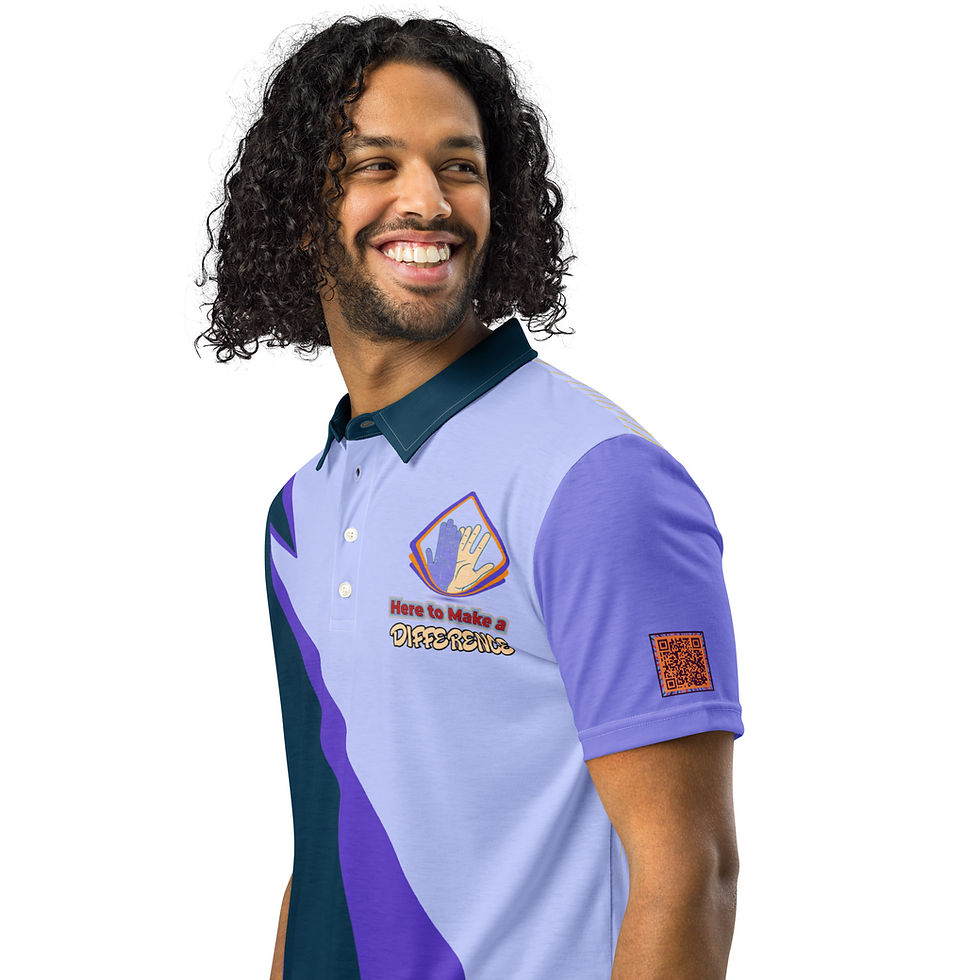
Comfortable branded T-shirts
Inspirational wall art
Practical gift sets
The goal isn't simply to find an item that everyone can use.
The goal is to find something they would actually want to use.
Ask:
"Would this gift still be valuable and useful six months from now?"
If the answer is no, the item may be functioning more like advertising than appreciation.
2. Give Employees Some Choice
When your workforce is highly diverse, offering options can work better than trying to find one perfect gift for everyone.
For example, employees might choose between:
A premium notebook
A tumbler
A mug
Wall art
A branded T-shirt
A desk calendar
Choice gives employees some control over what they receive without requiring the company to create a completely different gift for every individual.
It also reduces the possibility of giving someone something they have little interest in using.
3. Choose Messages That Unite Rather Than Divide
This is particularly important when selecting Inspirational Corporate Gifts.
An inspirational message can turn an ordinary object into something employees connect with emotionally.
However, the message should be carefully selected.
For a diverse workforce, consider universal themes such as:
Excellence: "Excellence Is a Daily Choice."
Teamwork: "Together, We Achieve More."
Growth: "Keep Growing. Keep Becoming."
Purpose: "Your Work Makes a Difference."
Resilience: "Progress Begins With One Step."
Appreciation: "Your Contribution Matters."
These messages can reinforce positive workplace values without assuming that every employee shares the same personal beliefs or cultural background.

4. Make Onboarding Gifts Inclusive
First impressions matter.
When a new employee joins your organization, an onboarding gift can immediately communicate how you expect people to feel within the company.
But Onboarding gifts that motivate employees shouldn't simply consist of merchandise with a logo stamped on it.
Think about the message behind the gift.
A new employee could receive a useful welcome package containing:
A quality notebook
A branded mug or tumbler
A desk calendar
A thoughtful welcome message
An inspirational piece of wall art
A T-shirt or other wearable item
The physical products are useful, but the message and presentation create the emotional experience.
Instead of saying, "Here is some company merchandise," the package can communicate:
"We're glad you're here.
Your contribution matters, and
we're excited to have you on the journey with us."
That is a much stronger beginning to the employee relationship.

5. Consider Cultural and Personal Sensitivities
Diversity also means being thoughtful about what might unintentionally exclude someone.
Before selecting a company-wide gift, consider whether it contains:
Religious assumptions
Political messages
Humor that could be misunderstood
Gender-specific messaging
Cultural stereotypes
Imagery that could be offensive
Food or products that conflict with dietary restrictions
This doesn't mean every corporate gift needs to be completely neutral or boring.
It means the company should understand its workforce well enough to make thoughtful choices.
When in doubt, give employees options.
6. Don't Confuse Branding With Appreciation
One of the biggest mistakes organizations make is treating employee gifts as another advertising opportunity.
A giant logo doesn't necessarily make a gift more valuable.
In fact, excessive branding can make a beautiful product feel like promotional merchandise.
Your logo should identify the source of the gift—not dominate the entire experience.
A better approach is:
Meaning first. Branding second.
The employee should feel appreciated before they feel marketed to.
7. Turn Useful Gifts Into Everyday Brand Reminders
A gift becomes more valuable when it remains part of an employee's everyday environment.
A desk calendar may be seen every morning.
A notebook may be used during meetings.
A tumbler may accompany an employee throughout the workday.
Wall art may remain visible in an office or home workspace.
These are Everyday Brand Reminders.
They don't need to shout the company's name.
Instead, they quietly reinforce the connection between the employee and the organization.
Every time the employee uses the gift, they encounter the company's brand, values, or message in a natural context.
That is far more meaningful than a promotional item that ends up in a drawer.
8. Create Memory Anchors, Not Just Branded Merchandise
There is an important distinction between an item that is repeatedly seen and a Memory Anchor.
Visibility alone isn't enough.
A Memory Anchor connects the physical gift with a meaningful experience, relationship, achievement, milestone, or message.
For example, imagine an employee receiving a beautiful piece of wall art after completing a major project.
The inscription says:
"Excellence Is a Daily Choice."
Years later, seeing that artwork may remind the employee of the project, the team, the recognition they received, and the organization's appreciation.
The wall art has become more than decoration.
It has become a Memory Anchor.
This is why the context in which a gift is presented can be just as important as the gift itself.
9. Match Gifts to Moments
Not every gift needs to be given for the same reason.
Different moments can call for different types of gifts.
New Employee
Choose welcoming and useful items that help the employee feel included from day one.
Employee Recognition
Choose something that communicates appreciation for a specific achievement or contribution.
Promotion
Select a gift that acknowledges growth and increased responsibility.
Work Anniversary
Use the gift to celebrate the employee's journey and years of contribution.
Team Achievement
Choose something that reinforces collaboration and shared success.
Employee Appreciation Event
Select gifts that communicate genuine gratitude rather than simply distributing merchandise.
The more closely the gift connects to the occasion, the more likely it is to become memorable.
10. Don't Assume Everyone Wants the Same Kind of Gift
A diverse workforce doesn't necessarily require hundreds of different gifts.
It requires thoughtful flexibility.
You could establish a core gifting collection and allow employees to select from several options.
For example:
Option A: Premium notebook
Option B: Inspirational wall art
Option C: Tumbler
Option D: Desk calendar
Option E: Branded T-shirt
This gives employees some autonomy while keeping your corporate gifting program manageable.
11. Quality Matters More Than Quantity
Giving every employee a cheap collection of promotional items may cost less initially, but it can weaken the perceived value of the gesture.
A smaller number of carefully selected, useful gifts may create a stronger impression.
Think about:
Material quality
Design
Functionality
Durability
Presentation
Message
Branding
Relevance
A quality gift communicates that thought went into the decision.
And that is ultimately what employees want to feel:
"Someone actually thought about me when choosing this."
12. Use Corporate Gifts to Reinforce Company Culture
The best corporate gifts for employee motivation and engagement don't simply reward employees.
They can reinforce the behaviors and values an organization wants to encourage.
If innovation is important, choose messages around creativity and courageous thinking.
If teamwork is important, emphasize collaboration.
If excellence is important, use messages that reinforce high standards.
If growth is important, select messages that encourage learning and development.
The gift becomes a physical representation of the organization's culture.
Instead of merely saying what the company values, you're putting those values into employees' everyday environments.

A Simple Framework for Choosing Gifts for a Diverse Workforce
Before approving a corporate gift, ask these seven questions:
Is it useful? Will employees genuinely use it?
Is it inclusive? Does it respect different backgrounds and preferences?
Is it meaningful? Does it communicate something beyond the company's logo?
Is it appropriate? Does it fit the occasion and relationship?
Is it high quality? Does it reflect the value you place on employees?
Is it memorable? Could it become associated with a meaningful workplace moment?
Will they keep it? Would employees want to retain it after the event is over?
If the answer to most of these questions is yes, you're probably choosing more than a promotional product.
You're creating a meaningful employee experience.
Final Thoughts
Choosing gifts for a diverse workforce isn't about finding one object that everyone will love.
It's about finding gifts that communicate appreciation, usefulness, respect, and belonging while giving employees enough flexibility to connect with them personally.
When carefully selected, Inspirational Corporate Gifts can reinforce company values.
Onboarding gifts that motivate employees can help create a positive first impression. Useful products can become Everyday Brand Reminders. And when those gifts become connected to meaningful workplace experiences, they can develop into Memory Anchors.
That's the difference between simply giving employees merchandise and creating gifts they actually remember.
Don't just put your logo on a gift. Put meaning behind it.


Comments